
Canlidizi: Turkish series and films, from My Little Girl, Love 101 and Sun's Daughters to The European Side, Falling Leaves and Medcezir, and where to watch them
103 series and 52 films from Türkiye, 1966 to 2026, chosen for the whole household.
Popular series
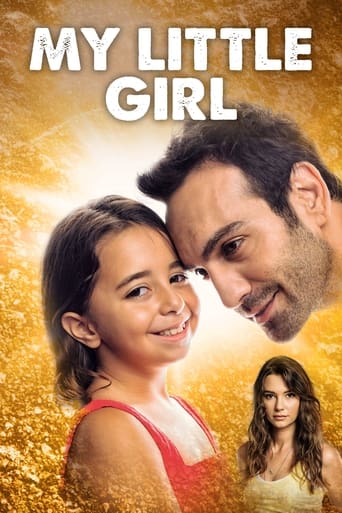 My Little Girl2018
 Love 1012020
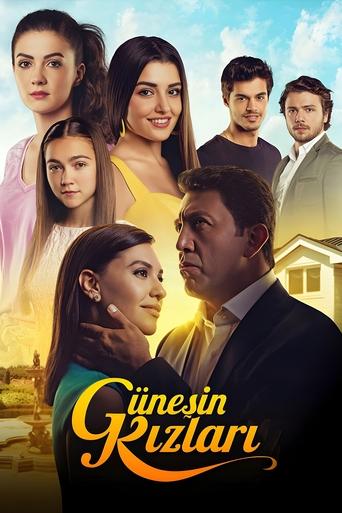 Sun's Daughters2015
 The European Side2004
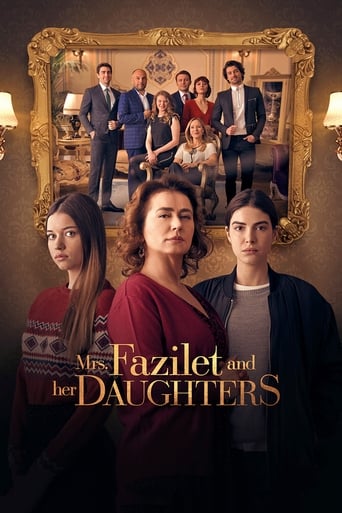 Mrs. Fazilet and Her Daughters2017
 Wild heart2023
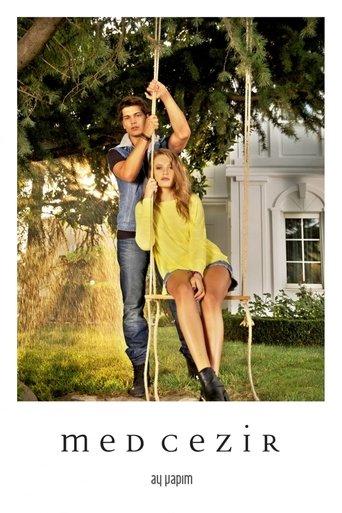 Medcezir2013
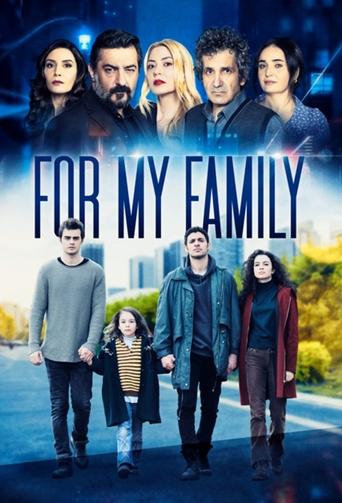 My Siblings2021
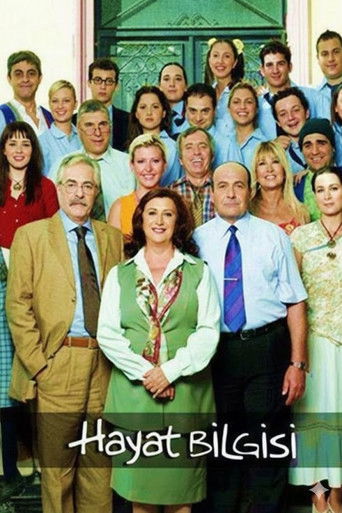 Life Science2003
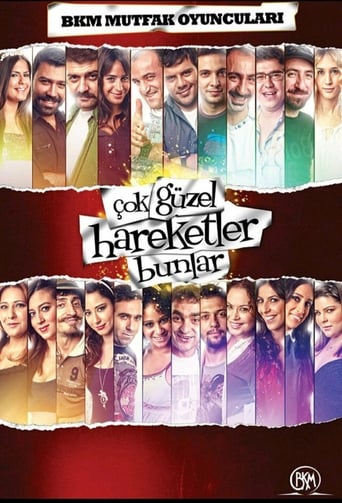 Çok Güzel Hareketler Bunlar2008
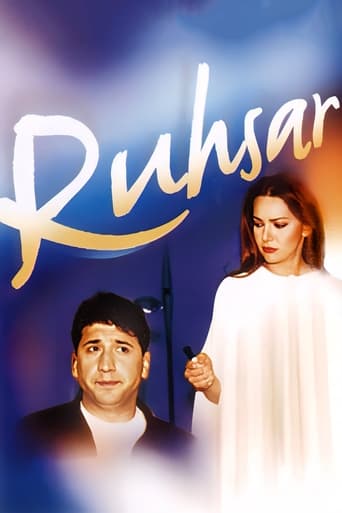 Ruhsar1998
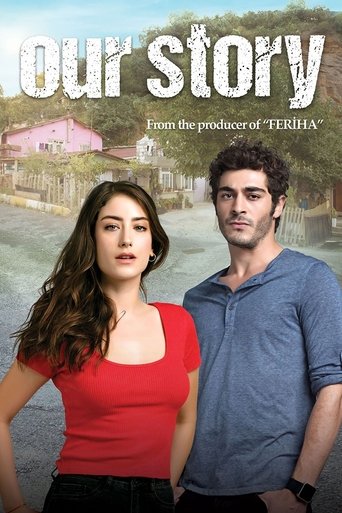 Our Story2017
Films
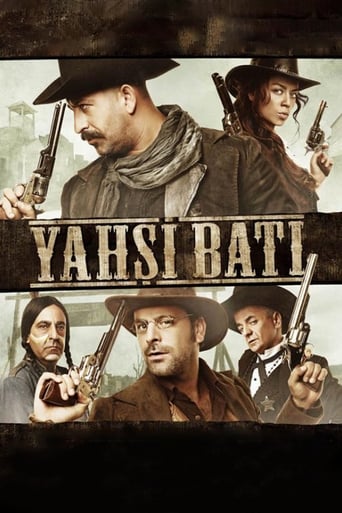 Yahşi Batı2009
 Coming Soon2014
 Art of Love2024
 Delibal2015
 Make Me Believe2023
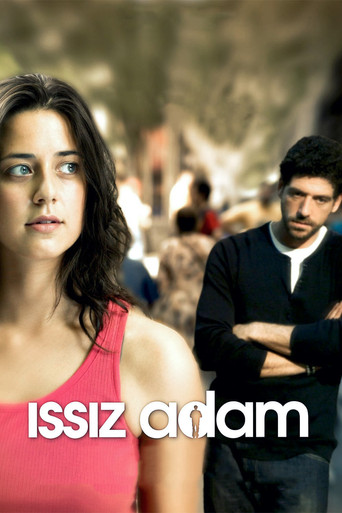 Alone2008
Comedy
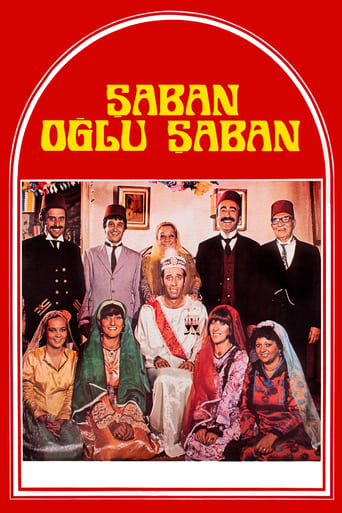 Saban, Son of Saban1977
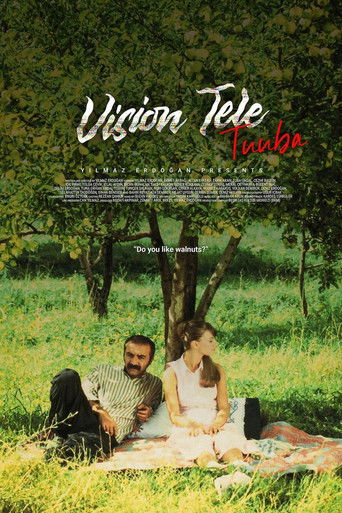 Vizontele Tuuba2004
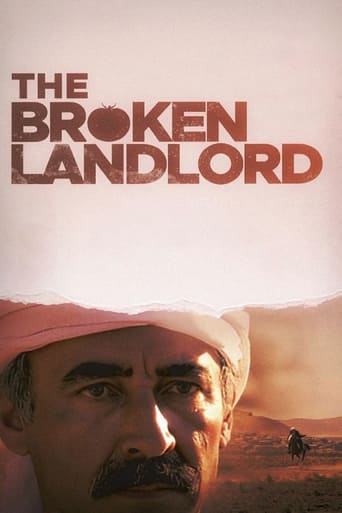 The Broken Landlord1985
 Trouble on Wheels2015
 Korkusuz Korkak1979
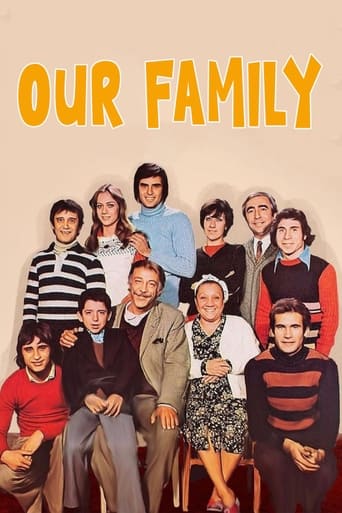 Our Family1975
Family
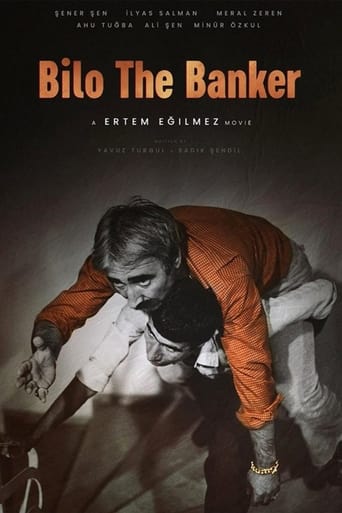 Bilo the Banker1980
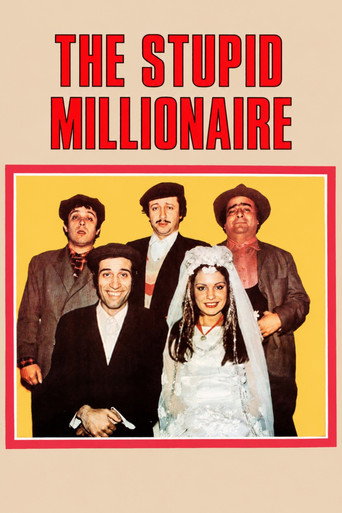 The Stupid Millionaire1974
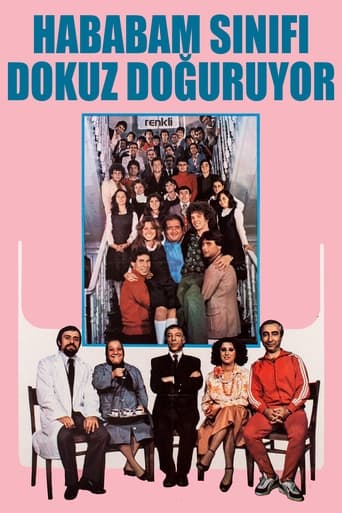 The Chaos Class Is Fretting Over1979
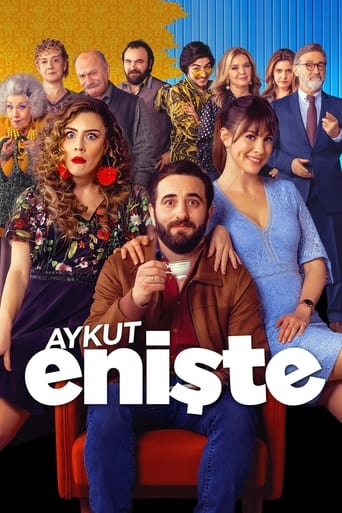 Brother in Love2019
 Şaban, a Man from the Middle Class1984
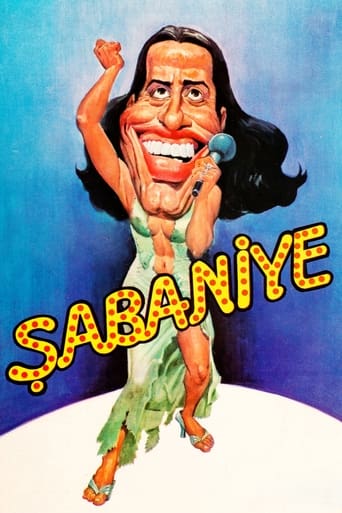 Şabaniye1984
New
 Rüzgarlı Tepe2024
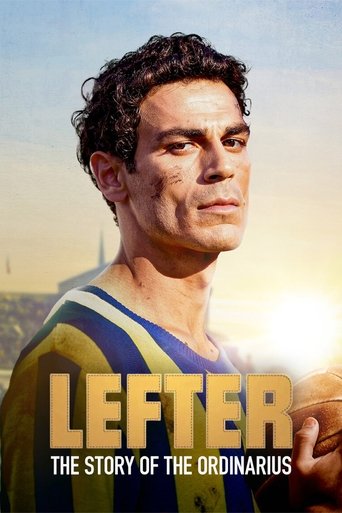 Lefter: The Story of the Ordinarius2025
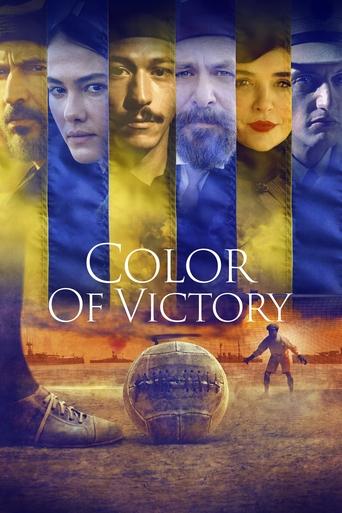 Color of Victory2024
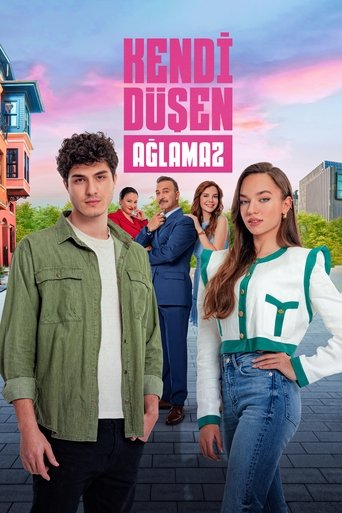 Come What May2023
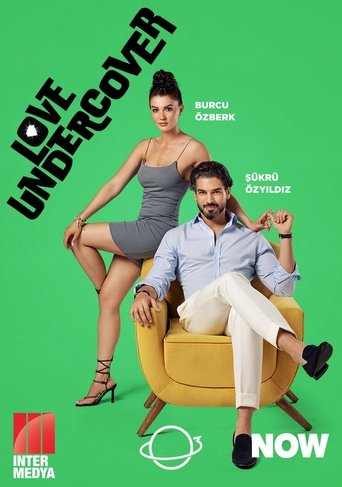 Love Undercover2023
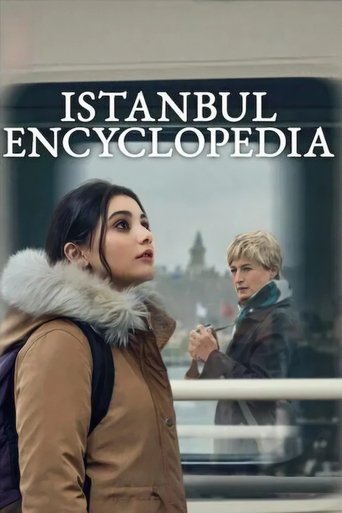 Istanbul Encyclopedia2025
The Canlidizi guide
Canlidizi: Turkish series and films, from My Little Girl, Love 101 and Sun's Daughters to The European Side, Falling Leaves and Medcezir
Turkish television drama travels further than almost any other. Its series are shown from Latin America to the Balkans and from the Arab world to Central Asia, dubbed into dozens of languages, and they have made stars of their actors on three continents. The reasons are plain to anyone who watches one: the stories take their time, families matter in them, feelings are large and sincere, and the settings, from the Bosphorus to the rock valleys of Cappadocia, are lovely to look at. Canlidizi is a guide to 155 Turkish productions, 103 series and 52 films, made between 1966 and 2026. Each has its own page, its story, its cast and a Watch now button that leads to the official services carrying it in your country.
The catalogue has been chosen for the whole household. Every title was read through by hand, and the selection favours family drama, romance, comedy and stories of school and growing up, together with the film comedies that Turkish families have watched on holiday afternoons for fifty years. Revenge sagas, crime series, stories of the battlefield and comedy made strictly for adults were left out. What remains is the warm side of Turkish screen storytelling: a father and an eight-year-old daughter learning to live together, four schoolfriends plotting a romance for their teacher, a household of the old school trying to keep pace with a modern Istanbul neighbourhood.
The numbers give a first idea of the shape. One hundred and nine of the titles are dramas and seventy-five are comedies; ninety-five turn on a family and eighty-three on a love story. Thirty-one are set in schools or among the young, and thirty-four make Istanbul part of the tale. Thirty-seven date from before 2000, most of them film comedies, and thirty-one have appeared since 2023. Among the series, thirty are short, with ten episodes or fewer, and thirty-one ran for sixty episodes or more; together the series offer more than 5,200 episodes.
A first-time visitor can begin with any of six series. My Little Girl is the story of Öykü, a wise child of eight, and the father who meets her for the first time. Love 101 follows five classmates in the Istanbul of 1998. Sun's Daughters moves a schoolteacher and her three daughters from İzmir into a mansion on the Bosphorus. The European Side is the sitcom that Turkey quotes. Falling Leaves brings a classic novel of family life into the present day, and Medcezir crosses the divide between a poor suburb and a wealthy shore.
How the guide is laid out
Canlidizi is a dark violet panel on a deep indigo page. A purple banner at the top carries the logo, with its yellow play mark, and an A – Z button; beneath it a menu bar offers Home, Series, Films, Comedy, Family, Romance, A-Z and My List, with a search field and a yellow button at the right. The home page sets out its titles as tall posters in rows of six, each with a small yellow tag giving its score, the name and the year beneath. The rows have headings marked with a yellow dot: Popular series, Films, Comedy, Family and New.
The lists are the main way through the catalogue. Series and Films divide it by form. Comedy, Drama, Family and Romance sort it by kind, and School and youth, Istanbul and Classic film comedies by subject. Short series and Long runs divide the series by length, five lists arrange everything by year, and Top rated gathers the highest scores.
A title page on Canlidizi starts with the poster and two names: the English title and, beneath it, the Turkish one. Small labels follow, giving the year and the score, and for a series the number of seasons and episodes. The story is told in a paragraph, the main actors are listed, and a series has its seasons set out in a table with their dates. The page closes with a country menu and the Watch now button. Canlidizi keeps your choice of country for next time, and the button opens the JustWatch page for the title, where the services offering it there are named one by one.
Family dramas
The family is the centre of Turkish drama, and ninety-five titles here are built around one. My Little Girl is the best loved abroad. Öykü is eight, bright and unusually perceptive, and has been raised by an aunt; when the aunt leaves, the child sets out with a note in her pocket to find Demir, the father who has yet to learn she exists. He is a small-time trickster with a good heart he has kept well hidden, and the thirty-four episodes follow the two of them as each changes the other. Beren Gökyıldız, who plays Öykü, became famous across half the world.
Falling Leaves ran for one hundred and seventy-four episodes from 2006 and is still repeated. It comes from a novel of 1930 by Reşat Nuri Güntekin, moved to the present: Ali Rıza, a retired official of unbending honesty, brings his wife and five children from the provinces to Istanbul, where each of the children is tested by the city in a different way. Halil Ergün's performance as the father is among the most admired on Turkish television. An earlier and much shorter adaptation, The Fall of Leaves, made in 1988, is listed beside it for comparison.
Brothers and sisters carry several long series. My Siblings follows four children who lose their parents and must look after one another, at home and at a school where they are scholarship pupils among the well-off. Our Story is told by Filiz, the eldest of six in a poor Istanbul household, who has brought up her brothers and sister almost alone and has left herself until last. Hazal Kaya and Burak Deniz lead its seventy episodes. Beş Kardeş is a comedy about five brothers with five entirely different characters.
Mothers hold the stage in others. Sun's Daughters begins when Güneş, a literature teacher who has raised three daughters by herself in İzmir, falls in love at thirty-five and moves the family to her new husband's house in Istanbul, where three young men of the household are waiting. Mrs. Fazilet and Her Daughters is about an ambitious mother and two very different daughters, one sporty and plain-spoken, one a hopeful model. Bahar gives Demet Evgar the part of a woman who gave up medicine twenty years ago to raise her family and who, after an illness, goes back to the hospital as a trainee beside her own son.
Kızılcık Şerbeti has been among the most watched series of recent years: the daughter of a modern, secular household marries the son of a traditional one, and two families who would hardly have chosen each other have to learn to share holidays, grandchildren and opinions. Family Joy forces three related families who are strangers to one another under one roof, and Chrysalis follows a gifted young architect brought up in a house where appearances count for everything.
Love stories
Eighty-three titles are love stories of one kind or another. Gumus is a piece of television history. Made in 2005, it tells of a young woman from a modest family who marries into a wealthy Istanbul household, and of the slow growth of affection between her and her husband, played by Kıvanç Tatlıtuğ. Dubbed into Arabic three years later, its final episode drew an audience counted in tens of millions and opened the world's screens to Turkish series. Tatlıtuğ appears again in Menekse and Halil, a romance that begins among Turkish families in Germany.
Asi is set on the farms around Antakya, near the Syrian border, where the daughter of a landowning family, as proud and capable as any of the men, meets the son of a woman who once worked for them; Tuba Büyüküstün and Murat Yıldırım lead its seventy-one episodes. Love Is in the Air belongs to Cappadocia and a family that has farmed its valleys for generations. Rüzgarlı Tepe is a daily serial that has passed two hundred episodes, and Kuzey Yıldızı: İlk Aşk is a romantic comedy from the green hills of the Black Sea coast, where a man returns to his village with three daughters, twenty years after leaving his childhood sweetheart at the altar.
Lighter romances are plentiful. The Beauty Inside follows a dermatologist from Gaziantep who comes to Istanbul to claim a fiancé and finds a rival instead. Sweet Revenge begins with a bride left at her wedding and a fortune-teller who tells her that she must first be forgiven by someone she once wronged. Emergency Love pairs two doctors, Love Undercover an intelligence officer and a woman who is unaware of his profession, and 10 Thousand Steps two former partners who agree to walk ten thousand steps together every day and talk.
The newest series are shorter and made for international services. Lovers Anonymous stars Halit Ergenç as the founder of a clinic for the lovelorn who has little faith in love himself. Queen of Tears is a Turkish version of a celebrated Korean drama about a couple who rediscover each other when they are on the point of parting. Istanbul My Love imagines a young entrepreneur who believes that romance can be programmed, and Mira: Life After Divorce follows a woman rebuilding her life on her own terms.
Television comedy
The European Side is the Turkish sitcom above all others. From 2004 to 2009, across one hundred and ninety episodes, Gülse Birsel's scripts followed the Sütçüoğlu family, old Istanbul shopkeepers living in the fashionable district of Nişantaşı, and the staff of the glossy magazine where the daughter works. The father, played by the veteran Gazanfer Özcan, and the building's ever-present neighbour Burhan Altıntop became national characters, and phrases from the series passed into daily speech.
1 Woman 1 Man is built from very short scenes: a couple at home, in the car, at the supermarket, at her mother's. Demet Evgar and Emre Karayel played Zeynep and Ozan for two hundred and thirty-seven episodes, and the series grew into 1 Man 1 Woman and, when the pair became parents, 1 Man 1 Woman 2 Children. The format came from Canada by way of France; the humour is entirely local.
The nineties produced comedies that are still fondly remembered. Gülşen Abi, with Haluk Bilginer, is regarded as a pioneer of absurd humour on Turkish television. Sidika follows the daughter of a poor Istanbul family who has ideas well above her street. Ruhsar is a fantasy in which a widower is visited by his late wife, who has returned with magical powers and firm views about how he should live. Belalı Baldız upends a tidy household with the arrival of a celebrity sister.
Çok Güzel Hareketler Bunlar is a sketch show with a difference. The writer and actor Yılmaz Erdoğan founded a school for young comedians, and the programme, recorded in a theatre, is their graduation: ninety-one episodes of sketches written and played by the students, several of whom went on to lead films and series of their own. İnsanlar Alemi is a later ensemble comedy, and Fandom has a wonderful premise: a devoted viewer, unhappy with the direction of her favourite series, carries off its screenwriter and begins writing the episodes herself.
Recipe for Love sends a family of city tricksters to hide in an Aegean village, where honest work turns out to suit them. Come What May gives a spoiled heiress a taste of ordinary life, Bahtiyar Olmez is a comedy about a driver in the family funeral business who dreams of another career, and We Need to Break Up is about a young man whose former girlfriends all meet the love of their lives straight after leaving him, a talent a television producer decides to put to use.
School and youth
Thirty-one titles are about classrooms and growing up. Love 101 is the most widely seen. In 1998 four pupils on the verge of expulsion and one model student realise that the only teacher who believes in them is about to be transferred, and decide to make her fall in love with the new basketball coach so that she will stay. The sixteen episodes are funny and nostalgic, with the music of the period, and were among the first Turkish series made for an international service.
Life Science ran for one hundred and thirty-seven episodes from 2003. Perran Kutman plays Afet, a teacher whose lessons in a subject called life science stretch well beyond the syllabus, and the series follows her class through the comedy of school days. Daydreamers spends one hundred and seventy episodes with four friends in a small town by the sea in their last years of school, and Medcezir takes a gifted boy from a hard suburb into the villa of a lawyer who believes in him, and into the school of the wealthy shore, where he meets Mira.
More recent series treat school with a serious eye. Hear Me is set in a private school where a scholarship pupil refuses to keep quiet about bullying. The Blackboard brings a man back as a teacher to the town he left as a bullied boy. The Teacher follows a physics master who sets his pupils a lesson in humanity that goes further than he planned, and Adı Sevgi is about a young teacher whose arrival changes a provincial school. Tozluyaka is the story of three friends from a modest neighbourhood, and Arkadaşlar İyidir of four who met at university.
The film comedies of Yeşilçam
For forty years the Turkish film industry was known by the name of a street in Istanbul, Yeşilçam, where the production offices stood. It made hundreds of films a year at great speed, and its comedies, shown on television every holiday since, are known by heart in every Turkish home. Thirty-two of them are listed here, and they are the most purely enjoyable part of the catalogue.
Kemal Sunal is the face of that cinema. Tall, wide-eyed, with a grin that seemed to take up half the screen, he played the same innocent again and again, most often under the name Şaban: a simple fellow whom everyone underestimates and who comes out on top by luck, loyalty and a good heart. Saban, Son of Saban makes him a clumsy soldier who becomes a detective by accident. İnek Şaban gives him a double, and Idiot Saban has him mistaken for one. In Korkusuz Korkak he is a timid clerk who is told, through a mix-up of medical reports, that he has little time left, and becomes fearless overnight. Çarıklı Milyoner hands a villager a fortune, Sakar Şakir an inheritance, and Şabaniye a wig and a singing career.
Sunal's later films have more bite. Zübük, from a novel by the satirist Aziz Nesin, follows a small-town politician who can talk his way into anything. Seat Trouble is narrated by a red leather chair that has seen many officials come and go. Tokatçı, Katma Değer Şaban and Şaban, a Man from the Middle Class set the same innocent against the money troubles of the 1980s, and Dokunmayın Şabanıma makes him a minibus driver unlucky in love.
Şener Şen, who began as the villain in Sunal's films, became the finest comic actor of the next generation. The Broken Landlord is his masterpiece: a village lord whose villagers have all left for the city follows them to Istanbul and tries one trade after another, an aristocrat selling tomatoes from a barrow. Mr. Muhsin, directed by Yavuz Turgul, casts him as an old-fashioned music producer, devoted to the classical songs, who is asked to make a star of a young man from the provinces. The Honest One is about a pay clerk so incorruptible that everyone thinks him a fool, until a robbery makes them wonder, and The Rich One's Kitchen takes place entirely below stairs in a mansion.
Director Ertem Eğilmez gathered a company of players who appear together in film after film: Münir Özkul and Adile Naşit as the father and mother everyone would wish for, Halit Akçatepe, Şener Şen and the young Tarık Akan. Our Family is the warmest of their films, about a widower with children and a widow with children who decide to marry. The Chaos Class Is Fretting Over belongs to the famous series about the laziest and most loyal class in any school. Sweet Talker sends a basketball player to a summer camp, where he meets a village girl, and The Stupid Millionaire sends four country brothers to Istanbul in search of their father's buried treasure.
The comic pair Zeki Alasya and Metin Akpınar lead Hasip and Nasip, and İlyas Salman plays Bilo, another innocent abroad, in Handsome Poor Bilo and Bilo the Banker. Sugar Pie Lady is a period comedy set in old Istanbul, and Girgiriye is a musical set in a neighbourhood of street musicians. The oldest film on Canlidizi, Oh, Beautiful Istanbul of 1966, stars Sadri Alışık as a street photographer of fallen fortunes who takes a country girl with dreams of stardom under his wing; it is a bittersweet classic by Atıf Yılmaz. Alışık returns in Omer The Tourist: Bullfighter, an episode in the adventures of a good-natured wanderer who always travels on luck alone.
Films since 2000
The twenty newer Turkish films show how the industry revived. Vizontele Tuuba, written and directed by Yılmaz Erdoğan, is set in a small town in the far south-east in the summer of 1980, where a new librarian arrives with his wife and daughter to open a library in a place with very few books. Yahşi Batı is Cem Yılmaz's cheerful western, in which two Ottoman officials carry a diamond across the American frontier, and Coming Soon, also by Yılmaz, is a love letter to old Turkish cinema, about a former film extra who decides to make a picture of his own to win back his wife.
Cars of the Revolution tells a true story. In 1961 a team of railway engineers was given one hundred and thirty days to design and build the first Turkish car, and against every expectation they did it. Color of Victory is set in occupied Istanbul after the First World War, where a football match carries more than sporting meaning, and Lefter: The Story of the Ordinarius is the life of Lefter Küçükandonyadis, the forward who became the first great hero of Turkish football.
Romance is well served. Delibal follows two university students through first love and its trials. Love Likes Coincidences begins in Ankara in 1977, when two babies are born on the same morning in the same hospital, and follows their paths as they cross for thirty years. Alone is about a chef, a collector of old records, who meets a costume designer in a second-hand bookshop. Fig Jam, Endless Love and Is This Love? are popular love stories of the last decade, Make Me Believe lets two grandmothers scheme to bring their grandchildren together on the Aegean coast, and Art of Love sets an investigator on the trail of an art thief she once knew well.
A few films stand apart. A Long Story follows a storyteller and his family from town to town across several decades. Piano Piano Kid sees Istanbul in the 1940s through the eyes of a boy in a crowded old house. Piano Girl stars Tarık Akan, forty years after his youthful comedies, as the last member of a family that came from Russia long ago, and My Father's Wings and Trouble on Wheels are thoughtful stories of men at a turning point, the second a road comedy.
Istanbul on screen
Thirty-four titles make the city part of the story, and between them they show a great many Istanbuls. An Istanbul Tale, from 2003, is set in a mansion on the Bosphorus, the kind of waterside house that appears in every viewer's dreams, where the family of a wealthy businessman and the family of his driver have lived side by side for a generation; the driver's daughter comes home from her studies, and the two sons of the house both look up. Yeditepe Istanbul moves a widow and her teenage daughter from comfort into an old neighbourhood in the historic heart of the city, where the neighbours become their family.
Istanbul Encyclopedia is a series of 2025 in eight parts: a student from a provincial town moves in with an old friend of her mother's, a surgeon, and the two women, a generation apart, discover the city and each other. An Istanbul Story and Under the Same Rain are short series of the same recent wave. Heart of the City crosses the usual line between a wealthy family and a young man who has spent his life at sea, and Wild heart follows a boy lost in childhood who returns to the family that has searched for him.
The provinces have their own series. The Others follows an eighteen-year-old from a village who is determined to study medicine. The One I Love sends a young man from a wealthy Istanbul family to the east of the country, where he meets a village teacher. Bir Umut Yeter is set at a lighthouse on a remote coast, and The Market begins in a small town and leads to the trading floors of the city. Portrait of a Scandalous Family is drawn from the true history of the Şakir Paşa family, an Ottoman household on the island of Büyükada from which several of Turkey's best-known painters and writers were to come.
Dramas of character
A good number of the dramas are studies of a single life. The Red Room is set in the consulting room of a therapist, played by Binnur Kaya, and each of its stories is drawn from the casebook of a real psychiatrist; it treats its patients with great respect and became a talking point across the country. Gülperi follows a widow who must win back the trust of her three children. Another Chance is about a schoolteacher who takes a class of pupils nobody else wants, and The Game of Destiny about a mother who has devoted herself to her two children.
Forbidden Fruit is a glossy comedy-drama of Istanbul society that ran for one hundred and seventy-seven episodes: two sisters, one who dreams of wealth and one who believes in earning her own way, are drawn into the circle of a businessman and his formidable wife. Deception concerns a respected family judge and his wife, whose well-ordered household holds more surprises than either imagined. Black Rose is a long serial set on the banks of the Euphrates, where a woman from Istanbul arrives among her husband's relatives, and Kraliçe follows the wife of a famous basketball player.
Sport and work give others their subject. Şampiyon is about a boxer who returns to the ring for the sake of his small son. Heartbeat follows a rebellious schoolgirl who grows up to be a gifted doctor and meets again the teacher who set her on her way. Life Today is a medical drama in eight parts, and Glass Ceiling is the story of a young woman making her way in the restaurant business. The Man in the Jar, from 1987, is a curiosity: a five-part science fiction serial about a famous writer and an experimental operation.
Fantasy and mystery appear in a gentle form. The Doors of Time links a solitary computer genius with a woman whose past holds the key to his own. Maviye Sürgün is about a man who shelters a young woman who has lost her memory, and Tale of Ashes about a widower and the nurse who brings life back to his house. Hidden Garden follows a young mother and her son, and Love Berry a woman who raised her brothers and sisters and at last has a chance to live for herself.
Faces to follow
Turkish television has a company of stars, and the catalogue lets a viewer follow them. Demet Evgar, who played Zeynep in the three couple comedies, shows her dramatic range in Bahar. Burak Deniz and Hazal Kaya made their names in Our Story. Çağatay Ulusoy leads both Medcezir and the film Delibal. Öykü Karayel appears in Heartbeat and The Game of Destiny, and Akın Akınözü in Crown Prince, a drama about the succession at a family bus company, and Love and Throne.
Leyla Lydia Tuğutlu stars in Sweet Revenge, Heart of the City and Delibal. Tolgahan Sayışman leads Şampiyon, Bir Umut Yeter and Island of Secrets, a short series about a promise made in childhood. Esra Bilgiç, known abroad for a historical epic, appears in The Doors of Time and Art of Love. Murat Yıldırım can be seen in Asi, Hidden Garden and the film Endless Love, and Emre Kınay plays the stepfather in Sun's Daughters and a father in Tozluyaka. Among the veterans, Şener Şen has nine films here across three decades, and Kemal Sunal fourteen.
How Turkish series are made
It helps to know a little about how these series come into being, because the way they are produced explains much of what is on the screen. A Turkish drama is usually written, filmed and broadcast week by week. The script for an episode may be finished only days before it is shot, a film-length instalment is completed in six days, and the result goes out on a fixed evening against a rival series on every other channel. Ratings arrive the next morning. A series that pleases its audience can run for years, and one that fails to find viewers may end after a handful of episodes, which is why the catalogue holds both very long and very short runs from the same period.
This rhythm gives the series their particular qualities. The stories respond to their audience: a couple whom viewers love will be given more scenes, and a supporting character who makes people laugh may become a lead. The length of each episode leaves room for whole meals, journeys and conversations that a faster drama would cut, and it is in those scenes that the characters become as familiar as neighbours. The filming takes place in real houses, streets and villages, with the seasons changing as the months go by, so that a series begun in autumn rain reaches its finale in summer light.
Music is central. Each series has its own themes, composed for it and played by an orchestra, and the principal couple will have a melody that returns at every important moment. Several of the composers are stars in their own right, and the soundtracks are released as albums. The settings matter as much: producers choose a city or a landscape as carefully as a cast, and series have brought visitors in great numbers to Cappadocia, Antakya, the Black Sea highlands and the waterside houses of the Bosphorus.
The streaming services that arrived around 2018 added a second tradition beside the first. Their series are planned from beginning to end before filming starts, run to eight or ten episodes of under an hour, and travel abroad on the day of release. Love 101 was an early example, and Lovers Anonymous and Istanbul Encyclopedia followed; the short-series list is largely made up of them. Many actors and writers now move freely between the two worlds, so that a viewer who enjoys a face in a compact modern series will often find the same actor in a hundred-episode family saga, and the other way about.
What the stories are about
Certain subjects recur across the catalogue, and a newcomer will soon recognise them. The first is the meeting of two worlds. A daughter of a modest household enters a wealthy one, or a village comes to the city, or a family that keeps the old customs acquires in-laws who have set them aside. The comedy of The European Side, the drama of Falling Leaves and the romance of Asi all turn on such a meeting, and so do the film comedies, in which the innocent from the countryside is the hero and the city is full of people who think themselves clever.
The second is the table. Turkish series are full of breakfasts that cover every inch of a cloth, of tea in small glasses, of neighbours arriving with a plate of something warm. Meals are where news is broken, quarrels are mended and suitors are inspected, and the kitchen is as important a room as any. The third is the neighbourhood itself, the mahalle: a few streets where everyone knows everyone, the grocer extends credit, the children play outside and every piece of news is shared by evening. Yeditepe Istanbul, Sidika and Tozluyaka are portraits of such places, drawn with great affection.
Weddings, engagements and the ceremonies that lead up to them supply many a finale, and elders are treated with a respect that shapes every scene they are in: a grandmother's word settles matters that a courtroom could hardly decide. Above all there is loyalty, between brothers and sisters, between friends from the same street, between a teacher and a class. Viewers from very different countries have found their own families in these stories, which is perhaps the simplest explanation for how far they have travelled.
Something for every age
A household seldom agrees on what to watch, and the catalogue is arranged so that each member can find a starting point. For grandparents, and for anyone who grew up with Turkish television, the classic film comedies and the sitcoms of the nineties are the obvious choice: Our Family, Mr. Muhsin and Ruhsar are as charming as ever. Parents may prefer the family dramas, where the questions are their own: how much to give up for the children, how to live with in-laws, when to let go. Bahar, Our Story and Sun's Daughters all ask them.
Teenagers are well served by the school stories. Love 101 and Hear Me are about friendship and fairness, and Medcezir and Daydreamers follow their young casts over several years, so that viewers grow up alongside them. For younger children the film comedies are the safest ground, since Şaban's pratfalls need little explanation, and Yahşi Batı and The Stupid Millionaire are adventures as much as comedies. And for an evening when everyone is in the room, My Little Girl has proved, in a great many countries, to be the series on which three generations can agree.
The year lists are useful here as well. Before 2000 is almost entirely comedy; 2000 to 2014 holds the long family sagas of the first great period of Turkish television drama; 2015 to 2019 has the romances that carried the form abroad; and 2023 onwards shows the present, in which daily serials, weekly dramas and compact streaming series all thrive side by side.
One last suggestion for a mixed household: let each person choose in turn, a film one evening and an episode the next. The films are short enough for a school night, and a single episode of a weekly drama, at two hours, makes a complete evening by itself. Kept up for a month, the habit gives everyone a favourite and the whole house a shared set of characters to talk about at breakfast.
Short series and long runs
Turkish series are famous for their length, and newcomers should know what to expect. A weekly episode on a Turkish channel commonly runs for two hours or more, so that a single season of thirty episodes holds as much story as several seasons elsewhere. International editions usually cut each episode into two or three parts, which is why episode counts differ from one service to another. The season tables on each Canlidizi page follow the original broadcast.
Thirty-one series here ran for sixty episodes or more. The longest are the daily serials, shown every weekday afternoon in shorter instalments: The Bride, with four hundred and seventy, and Rüzgarlı Tepe, with more than two hundred. Among the weekly dramas, The European Side, Forbidden Fruit, Falling Leaves, Kızılcık Şerbeti and Daydreamers all passed one hundred and seventy. These are series to live with through a winter, an episode or half an episode at a time.
At the other end, thirty series have ten episodes or fewer. Most were made in the last five years for streaming services, with episodes of forty-five minutes to an hour, and can be finished in a weekend: Lovers Anonymous, Istanbul Encyclopedia, Glass Ceiling, Love Undercover and Sen, Ben, O!, a modern comedy about a couple who agree on very little. A few older short series are here too, among them Love and Pride and Yıldızlar Şahidim, about a pop star and an ordinary girl from the neighbourhood. The films, of course, are shorter still, and most of the classic comedies run for about ninety minutes.
Watching in Turkish
Everything on Canlidizi was made in Turkish. Services abroad usually offer the original sound with subtitles, and the most popular series have been dubbed into Spanish, Arabic, Russian and many other languages, so the choice often depends on the country. Viewers who are new to Turkish drama will find the pace unhurried: conversations are allowed to run, glances are held, and music carries a good deal of the feeling. Many find this restful after a few episodes, and it is a large part of the appeal.
The comedies ask a little more of a subtitle, because so much of Kemal Sunal's humour is in his face and voice, but they repay the effort; slapstick needs little translation, and the situations are universal. Learners of Turkish will find the family series especially useful, since they are full of the phrases of everyday courtesy that textbooks leave out. Each page gives the Turkish title beside the English one, and the search field accepts either, so that Kızım finds My Little Girl and Yaprak Dökümü finds Falling Leaves.
A number of titles are listed under their Turkish names because they have yet to receive an English one. Their stories are described in English on their pages like all the others, and the Watch now button shows which edition is offered where you live.
How the titles were chosen
The selection began with a survey of Turkish series of every period, nearly five hundred in all, and was narrowed in three steps. First came the kinds of story that suit a family evening: family drama, romance, comedy and school stories. Then every remaining series was read through, and those built on vengeance and violence, which are a large part of Turkish prime time, were set aside along with crime series, battlefield epics and comedy for adults only. Finally the posters and descriptions were checked one by one, and five descriptions were written afresh.
That left a little over a hundred series, and the catalogue was completed with fifty-two films chosen in the same way. The films are mostly comedies and romances, and the largest group is the classic comedy of the 1970s and 1980s, which belongs beside the series because Turkish audiences know it from television. Some of the dramas deal with loss, illness or hard times, as family stories do, and they are included because they treat their characters with tenderness.
Canlidizi keeps its titles to itself among the guides of its family; each was chosen for this catalogue alone. That is why some of the best-known Turkish series are absent, since they already have a home elsewhere. In exchange the catalogue reaches into the archive and into the newest releases, and a visitor who has seen the famous titles will find here what to watch next.
Using Canlidizi
The search field in the menu bar is the quickest way to a known title. It answers as you type and accepts Turkish and English names alike. The A – Z button in the banner sets all 155 titles out in alphabetical order, and Series and Films in the menu show each group by popularity.
Canlidizi can hold on to the titles you mean to watch. Add to My List sits on every page, and My List at the end of the menu bar shows what you have chosen. The choices are recorded in this browser, on this device, and wait there for your return; any of them can be removed with one press, and the whole list can be saved to a file and loaded again elsewhere.
The help pages cover each part of the catalogue in a few lines: How to watch, Series, Films, Comedy, Family, Romance, Drama, School and youth, Istanbul, Classic film comedies, Short and long, Watching in Turkish and Year by year, with Finding titles and My List for the tools.
A first month
A newcomer who would like a plan can take four weeks. In the first, begin with a short series: the sixteen episodes of Love 101. In the second, start a long one, My Little Girl, and keep it going through the month. In the third, spend the weekend with the film comedies: Saban, Son of Saban on Saturday, The Broken Landlord and Our Family on Sunday. In the fourth, try a sitcom, The European Side, and a romance, Asi or Gumus, and see which you would rather continue.
Questions and answers
Questions
What is Canlidizi?
Canlidizi is a guide to 155 Turkish series and films chosen for the whole household, each with its story, cast and a Watch now button to the official services that carry it.
Which title should I watch first?
Start with My Little Girl, Love 101 or The European Side. One is a family drama, one a school story and one a sitcom.
Is the catalogue suitable for families?
Yes. Every title was read through by hand, and revenge sagas, crime series, battlefield epics and comedy made strictly for adults were left out.
Does Canlidizi list films as well as series?
Yes. There are 103 series and 52 films, most of the films being classic comedies and romances.
How long are Turkish series?
A weekly episode often runs for two hours or more. Thirty-one series here have sixty episodes or more, and thirty have ten or fewer.
Can I watch with subtitles?
Most services abroad offer the Turkish sound with subtitles, and many popular series are also dubbed.
How does My List work?
Press Add to My List on any page. The list is kept by your browser on your own device and can be saved to a file.
Does Canlidizi host episodes or downloads?
Canlidizi is a guide only. Every Watch now button opens JustWatch, which lists the official streaming, rental and purchase services for your country.